The Method
A 1-to-1 program for people who'd rather train deliberately than train more. The system that produced 7.91 — rewritten for the work you're trying to do.
The bolt arrived in Berlin. February, 2021. 7.91 seconds. A national record. A flash, then gone.
Outdoors, she did not break thirteen seconds — a barrier she had crossed many times before. Not the next year. Not the year after. Not the year after that. Four full seasons of a record she already owned, suddenly unreachable.
You may know the feeling in a smaller key. The lift that used to be easy. The split that used to be casual. The summer where the work didn't seem to be working.
You don't write a method by chasing flashes. You write it the years the flash refuses to arrive. You write it on the rowing machine. The cancelled season. The conversation where you wonder if there's a point.
You write it tending a small fire — every Tuesday and Saturday, for fifteen years. Most weeks the fire stays small. Some weeks it goes out, and you light it again.
Then one summer — the season she coached herself — the fire catches. 12.73. First personal best in nine years. Twice in six weeks. At thirty-two.
The bolt is hers.
The fire is yours.
She passes on the spark
When the work isn't working.
When the work stops moving the numbers, more of it isn't the answer. Better questions are.
How much can your body absorb this week? Where is the next gain hiding — strength, elasticity, or recovery? When do you push, and when do you stand down? The answers shift each block. The method holds.
Built across two Olympic cycles, one national record, and every kind of injury a sprinter can come back from. Delivered to your phone, twice a week, in plain language and video — every movement, every cue, every adjustment.
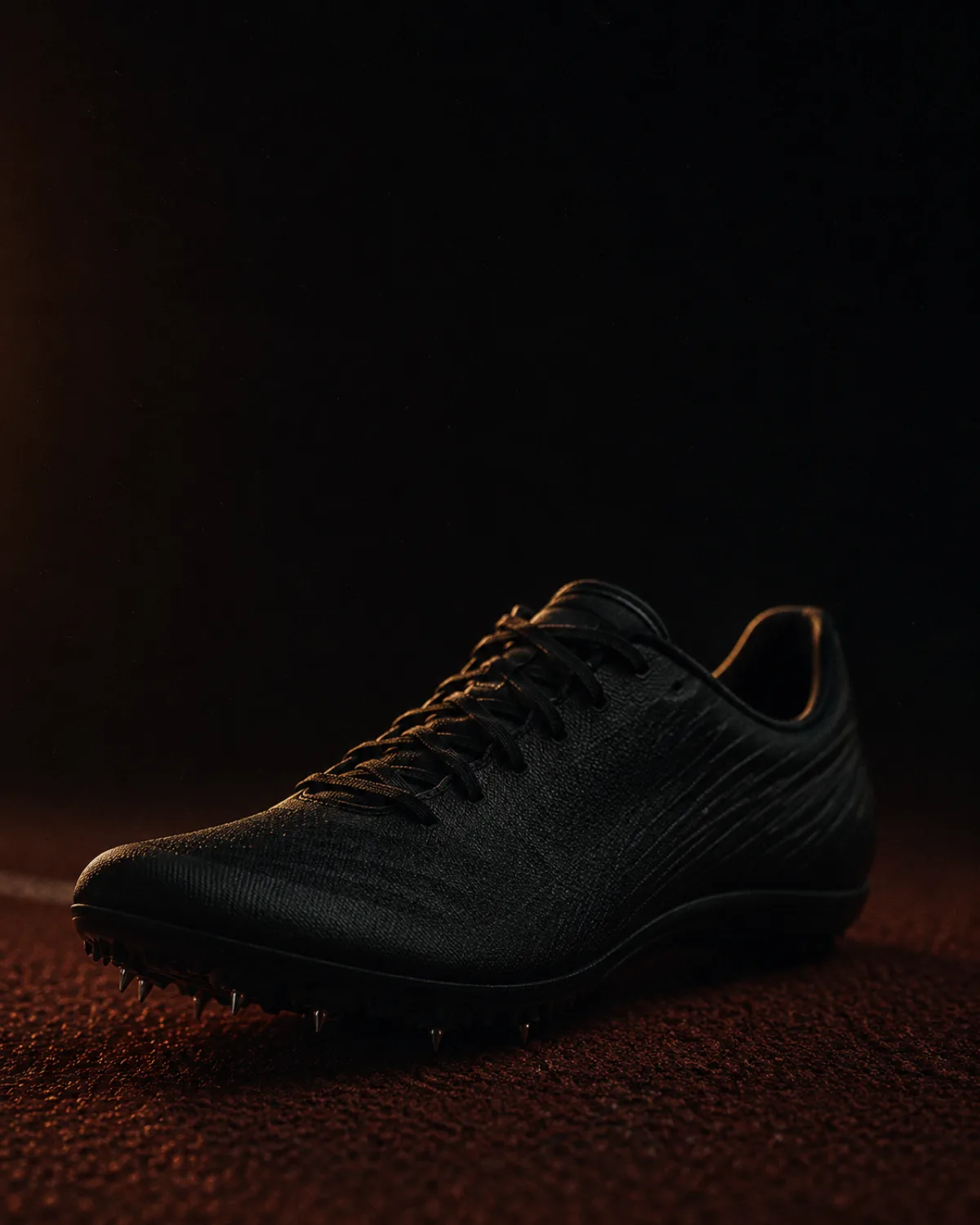
Before the work begins, the work is decided.
Five sessions, seven days, one rhythm.
Load builds, then bows.

Strength is patient. The numbers don't argue with you.
Six instruments. One method.
The qualities under the numbers.
Three athletes, same system.
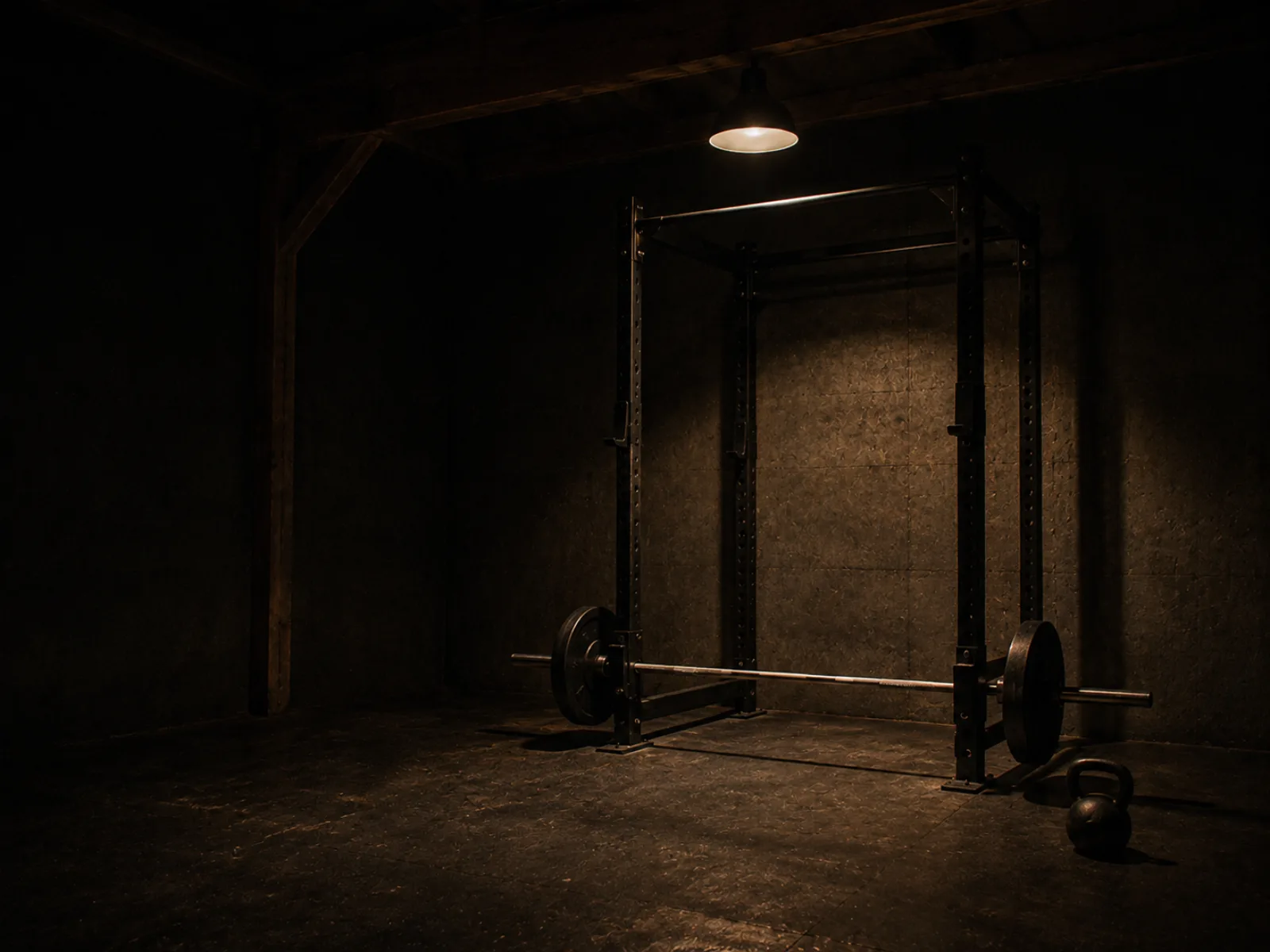
The room is quiet. The work begins here.
The hand on the program.
Nooralotta
Neziri
Three-time Olympian in the 100m hurdles. Rio 2016. Tokyo 2020. Paris 2024. Finnish national record holder over 60m indoors at 7.91. The first Finnish woman under thirteen seconds in the 100m hurdles. A career measured in hundredths.
Years of injury, recovery, overreaching, and finding the line that should have been there all along — that's the method. Not theory. Not a textbook. The training that built a record, refined for athletes who don't need to chase one.
I coach myself. The method came from running it on me first — same blocks, same rhythm, scaled to the work you can absorb.
Read like a card.
Cancel anytime after
The intake is open.
The Inner Circle holds twelve athletes at a time. Coaching opens on a rolling basis as seats free. Start with the free assessment — thirty minutes, no commitment. If the method isn't for you, you've spent half an hour. If it is, the next block of your training begins on Monday. Looking for a lighter way in? See The Library and The Cohort.
Apply for the next intake→Before you apply.
Honest answer: I don't know yet. I'll know after thirty minutes on a call. Bring your last three months of training and the gap you've been stuck on. If the method fits, I'll tell you. If it doesn't, I'll tell you that too — and probably point you somewhere it does.
No — but you do need to want to train like one. The method works for runners, lifters, and adult amateurs who care about training quality. It is not a beginner program. Comfortable with a barbell and a track is the baseline.
The program bends. Life happens. Sessions get rearranged, deloaded, or swapped in conversation — that's what the weekly check-in is for. Consistency beats perfection, and your coach treats the calendar accordingly.
The program is the program. Side work undoes the design. If there's a session you want to keep — a weekly run with a club, a long ride — bring it to the assessment and we'll build the rest around it.
A gym you can get to twice a week with a barbell, dumbbells, a rack, and floor space. Outdoors for sprint and hill work — a quiet park or track is ideal. The recovery session is bodyweight only.
Continue month-to-month, pause, or end. The three-month minimum exists because real adaptation takes blocks, not weeks. After that the program belongs to you — most athletes stay through a second cycle, but no one is held.
Both. The app, the video, the coaching conversation — your choice. Programs and check-ins are delivered in your language; the philosophy is the same in either.